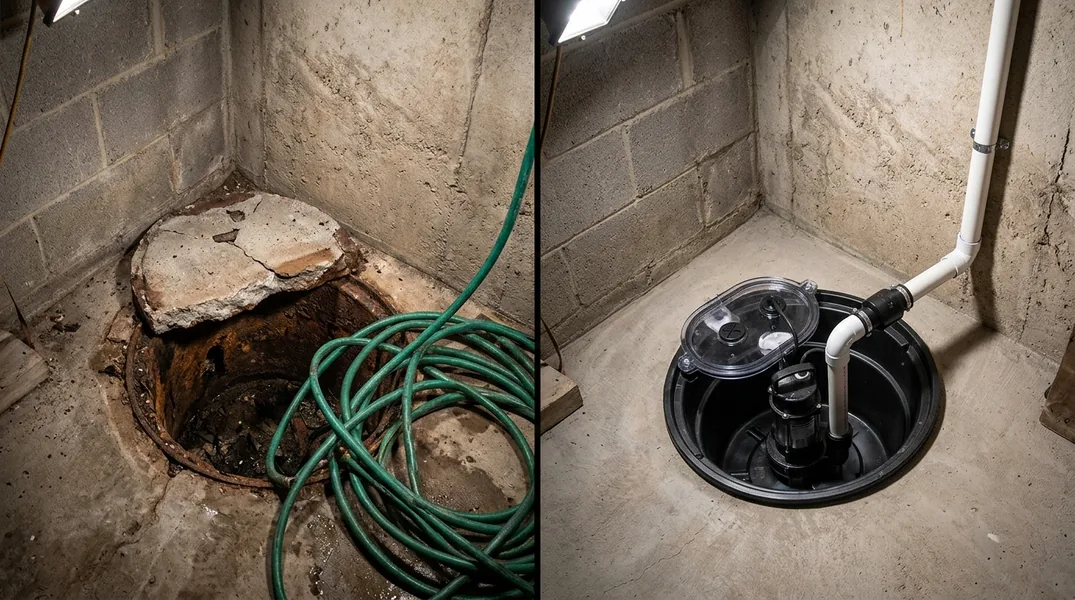
Why Sump Pump Maintenance Matters Before Hurricane Season in Fayetteville
Hurricane season in North Carolina runs from June through November, and for homeowners in Fayetteville, that means weeks of heavy rain, saturated soil, and a real risk of storm basement flooding. Your sump pump is the first line of defense against water pooling under your foundation and seeping into your basement. When it works, you barely notice it. When it fails during a storm, you notice immediately, and the cleanup can cost thousands.
Regular sump pump maintenance is not glamorous, but it is one of the cheapest insurance policies a homeowner can buy. A pump that sits idle for months can seize up, clog, or lose its prime right when you need it most. Before the first named storm rolls through, set aside an afternoon to inspect your system, test it under load, and confirm that every component is ready. If you are unsure where to start, a professional Basement Waterproofing inspection can catch problems you might miss.
Step-by-Step Sump Pump Maintenance for Storm Readiness
Start by unplugging the pump and removing the lid from the sump pit. Look inside for debris, silt, or gravel that could clog the intake. Clean the pit thoroughly and make sure the float switch moves freely. A stuck float is one of the most common reasons a pump fails to turn on during a storm. Next, plug the pump back in and pour a bucket of water into the pit to trigger the float. The pump should kick on quickly and drain the water without straining or making unusual noises.
While you are at it, check the discharge pipe for leaks or loose connections. The water needs a clear path away from the foundation, ideally several feet from the house. If the pipe empties too close to the wall, that water can cycle right back into the pit. Also inspect the Interior Drain Tile System that feeds the sump pit, since a clogged drain tile can overwhelm the pump even when the pump itself is healthy. If you notice cracks in the foundation or signs of water intrusion around the pit, it may be time to discuss Foundation Waterproofing with a local pro.
The Sump Pump Check Valve: A Small Part With a Big Job
The sump pump check valve is a one-way flap that keeps water from flowing back into the pit after the pump shuts off. Without a working check valve, every cycle sends water back down the discharge line, forcing the pump to work harder and run longer. During a hurricane, that extra strain can burn out a motor in the middle of the night. A failed check valve can also cause the pump to short-cycle, which dramatically shortens its lifespan.
Inspect the check valve for mineral buildup, cracks, or a flap that no longer seals. If your pump is more than a few years old and the valve has never been replaced, consider swapping it out before storm season. It is an inexpensive part and one of the easiest upgrades you can make. While you are inspecting the discharge line, confirm that the valve is installed in the correct orientation and that the connections are tight. A small leak around the valve can signal that it is time for a replacement.
Battery Backup Sump Pump: Your Safety Net When the Power Goes Out
Hurricanes do not just bring rain. They bring power outages, and a sump pump without electricity is just a plastic bucket. A Exterior Basement Waterproofing system can reduce the volume of water reaching your foundation, but it cannot stop a rising water table during a multi-day storm. That is why a battery backup sump pump is essential for any homeowner serious about storm basement flooding prevention.
A battery backup system runs on a charged deep-cycle battery and kicks in automatically when the primary pump loses power or fails. Test the backup every few months by unplugging the main pump and pouring water into the pit. Check the battery terminals for corrosion and confirm the charger is working. Most backup batteries last three to five years, so note the installation date and replace it before it dies. If you are not sure whether your current setup is adequate, reach out for a free estimate and a professional assessment.
Sump Pump Maintenance Near Me: When to Call a Pro in Fayetteville
Some maintenance tasks are easy for a handy homeowner, but others are worth handing to a professional. If your pump runs constantly, makes grinding noises, trips the breaker, or fails to drain the pit completely, those are signs of a deeper problem. The same is true if you see water backing up around the pit or notice damp spots along the basement walls after a storm. In those cases, a professional inspection can save you from a much larger repair bill.
Homeowners in Hope Mills, Spring Lake, and Eastover face the same storm risks as the rest of the region, and a local technician can evaluate your pump, check valve, and backup system in a single visit. If you want to know what a full system check or upgrade might involve, review our pricing page or call Fayetteville Waterproofing at (472) 202-6252 to schedule service before the next storm forms.
Looking for a professional basement waterproofing contractor in Fayetteville? Fayetteville Waterproofing responds fast for all your basement waterproofing needs.
Get a Free QuoteOur services: Basement Waterproofing · Interior Drain Tile System · Exterior Basement Waterproofing