What Matthew and Florence Taught Fayetteville Homeowners
When Hurricane Matthew swept through in 2016 and Florence followed in 2018, the Cape Fear region experienced some of the worst flooding in its recorded history. For homeowners in Fayetteville, those storms were more than a weather event. They were a wake-up call about how vulnerable a finished basement or crawl space can be when the ground becomes saturated and local waterways rise beyond their banks.
The Fayetteville hurricane flooding that followed both storms did not just affect homes directly beside the Cape Fear River. Water traveled through saturated soil, overwhelmed storm drains, and found its way into foundations blocks away from any visible floodplain. Many homeowners discovered that their existing sump pumps, window wells, and foundation seals were simply not designed for that volume of water. The result was hurricane basement damage that ranged from damp drywall and ruined carpet to structural cracking and mold that took months to remediate.
How Cape Fear Flooding Reaches a Basement
Cape Fear flooding is not a single event. It is a chain reaction. Heavy rain saturates the soil around your foundation, creating hydrostatic pressure that pushes water against the walls and floor slab. At the same time, rising groundwater tables force water upward through cracks, cold joints, and the cove joint where the wall meets the footing. If your home sits on a slope, runoff can pool in window wells or against a foundation wall that was never designed to shed that much water at once.
That is why Basement Waterproofing in this region has to account for both surface water and subsurface pressure. A system that only addresses one of those paths will eventually fail during the next major storm. The homeowners who came through Matthew and Florence with dry lower levels were typically the ones who had already invested in a comprehensive drainage and sealing strategy, not just a single quick fix.
Flood Prevention Starts With the Right Waterproofing System
Effective flood prevention for a Fayetteville home usually combines several layers of defense. An Interior Drain Tile System installed along the perimeter of the basement floor captures water that enters at the cove joint and directs it to a sump pump before it can spread across the floor. This is especially important in homes where exterior excavation is impractical or where the water table is already high.
On the outside, Exterior Basement Waterproofing addresses the source by sealing foundation walls, installing exterior drainage, and improving how water is redirected away from the structure. Foundation Waterproofing ties these approaches together by repairing cracks, sealing penetrations, and ensuring the footing area is protected. For homes in Hope Mills, Spring Lake, and Eastover, the same combination applies, though the specific design depends on soil type, grading, and proximity to local waterways.
Flooded Basement Cleanup: What to Do After the Storm
If a storm has already left water in your lower level, flooded basement cleanup needs to begin as soon as it is safe to enter. Standing water and wet materials create ideal conditions for mold growth within 24 to 48 hours. The first priorities are shutting off electricity to affected areas, documenting damage for insurance, and removing water with pumps or wet vacuums. Porous materials like carpet, padding, and drywall often cannot be saved once they have been soaked by floodwater.
Once the space is dry, the real work begins: identifying how the water entered and correcting that path before the next hurricane season. Many homeowners in Fayetteville discover that the same failed seal or clogged drain that let water in during Florence will let it in again during the next heavy rain. A professional assessment after cleanup can pinpoint those entry points and recommend the right permanent repairs, rather than simply replacing damaged finishes and hoping for the best.
Basement Waterproofing Near Me: When to Call a Professional
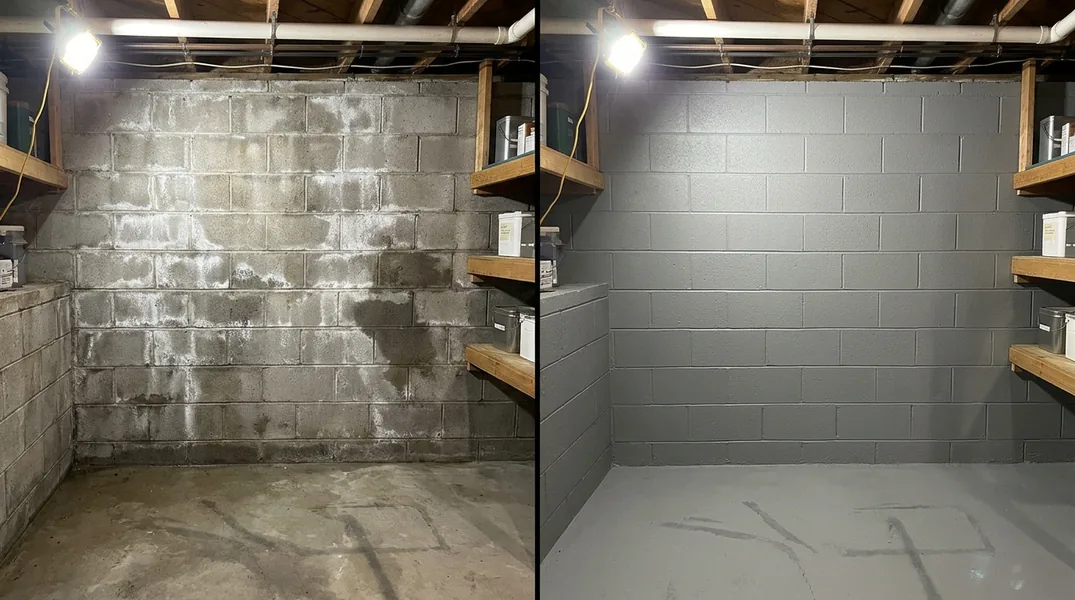
If you are searching for basement waterproofing near me in the Fayetteville area, the timing of that search matters. The best time to call is before the next storm, not after water is already pooling around your foundation. Warning signs include efflorescence (white powder) on basement walls, musty odors, damp spots on the floor, cracks that widen over time, and any history of water intrusion during past hurricanes or heavy rain events.
A professional evaluation will look at grading, gutter discharge, foundation condition, and existing drainage before recommending a solution. Because every home is different, pricing depends on the scope of work, the size of the space, and the systems required. Fayetteville Waterproofing offers a free estimate so homeowners can understand their options before committing. If you have questions or want to schedule an assessment, call (472) 202-6252 and speak with a local specialist who understands how Cape Fear flooding affects homes in this region.
Looking for a professional basement waterproofing contractor in Fayetteville? Fayetteville Waterproofing responds fast for all your basement waterproofing needs.
Get a Free QuoteOur services: Basement Waterproofing · Interior Drain Tile System · Exterior Basement Waterproofing